

Weaving and dyeing process: the integration of traditional techniques and modern techniques
Time:
2023-11-02
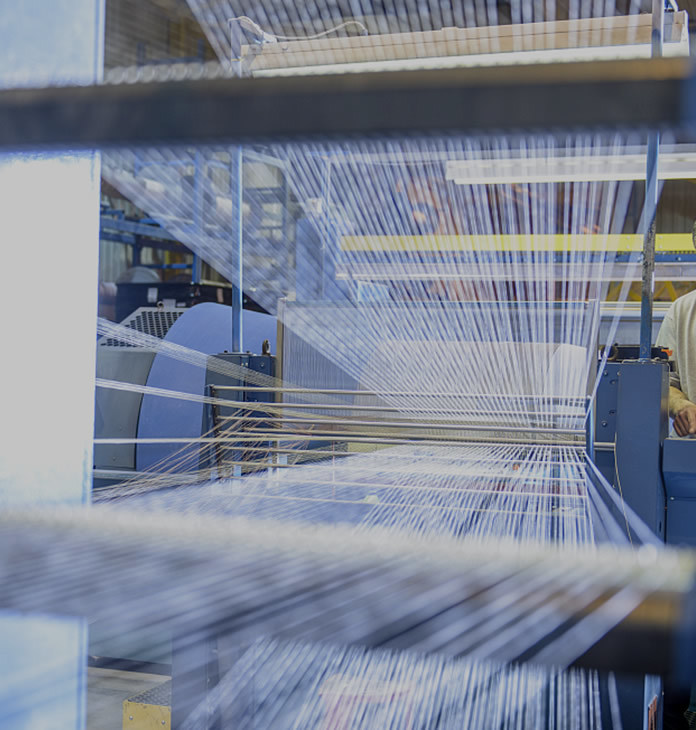
Weaving dyeing is a key part of the process that gives rich color and unique charm to the fabric. The process involves many detailed and interrelated steps that combine the essence of traditional dyeing techniques with the innovations of modern technology.
Weaving dyeing is a key part of the process that gives rich color and unique charm to the fabric. The process involves many detailed and interrelated steps that combine the essence of traditional dyeing techniques with the innovations of modern technology.
Preparation before dyeing is crucial. First of all, it is necessary to refine the woven fabric to remove impurities, natural wax and residual slurry from the fabric during the weaving process. This process, usually with the help of chemical agents or biological enzymes, breaks down impurities and leaves the fabric fibers under specific temperature and pH conditions, ensuring that subsequent dyeing can be evenly and deeply carried out. For example, cotton fabrics may be refined with caustic soda to destroy the waxy layer on the surface of the cotton fiber and improve the hydrophilicity and dyeing affinity of the fiber.
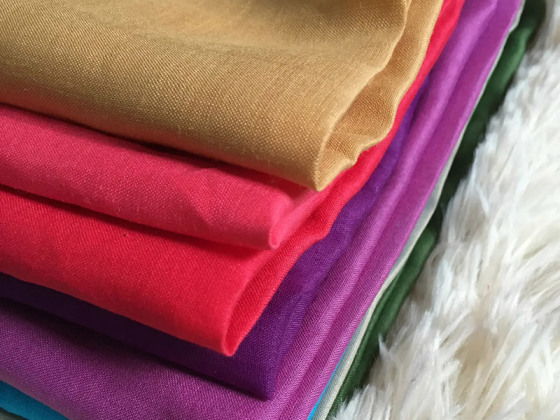
When it is ready, the core dyeing phase begins. The choice of dye depends on the type of fabric, the desired color effect and the requirement of dyeing fastness. Natural dyes such as vegetable dyes (indigo, madder, etc.) and animal dyes (shellac, etc.) have dominated the long history, with the advantages of environmental protection, natural and soft color, but there are limited production, complex dyeing process and relatively low color fastness. Nowadays, synthetic dyes are widely used because of their rich color, strong stability and high production efficiency. Taking reactive dyes as an example, during dyeing, the woven fabric is first immersed in a dye solution containing dyes, alkalis and electrolytes. Alkali agent promotes chemical reaction between dye and fiber to form covalent bond, so that dye is firmly attached to fiber. The electrolyte plays a role in promoting the dyeing of the dye, improving the rate and uniformity of dyeing. During the dyeing process, parameters such as temperature, time and bath ratio (ratio of fabric weight to volume of dyeing solution) should be precisely controlled. Different combinations of dyes and fibers have different requirements for these parameters, such as dyeing cotton fabrics, the dyeing temperature of reactive dyes is generally controlled at 60-80 ° C, the time is about 30-60 minutes, and the bath ratio is set reasonably according to the thickness of the fabric and the capacity of the dyeing equipment.
After dyeing, in order to improve the dyeing fastness and fabric properties, a series of post-processing processes are often required. Among them, washing is the key step to remove unfixed dyes and residual chemicals on the surface of the fabric. Multiple rinsing or specific washing additives are used to ensure that the fabric is clean and the color fastness is stable. For some dyes with poor color fastness, fixing agent is added to further enhance the binding force between dyes and fibers. For example, after acid dyes dye protein fibers (wool, silk, etc.), the use of cationic fixing agents can significantly improve its wet processing fastness. In addition, depending on the use of the fabric, it may also be soft, anti-wrinkle, anti-bacterial and other functional finishing. Soft finishing by adsorption or chemical bonding softener on the surface of the fabric, improve the feel of the fabric, make it more smooth and comfortable; Anti-wrinkle finishing is made of resin finishing agent and fiber crosslinking reaction to reduce the fold formation of fabric during use. The antibacterial finishing gives the fabric the ability to inhibit the growth and reproduction of microorganisms with the help of antibacterial agents to improve the sanitary performance of the fabric.
In the modern textile dyeing process, the power of science and technology is everywhere. Automatic dyeing equipment can accurately control the parameters of the dyeing process, to achieve large-scale and efficient production at the same time, to ensure the stability and consistency of product quality. The application of computer color matching system can quickly and accurately allocate the required colors according to customer needs, which greatly improves the efficiency and accuracy of color matching. In addition, the concept of environmental protection is also deeply integrated into the development process of dyeing process, the research and development of new environmental protection dyes and auxiliaries continues to make breakthroughs, printing and dyeing wastewater treatment technology is increasingly perfect, and strive to meet people's demand for colorful fabrics at the same time, reduce the negative impact on the environment, to achieve sustainable development of the textile industry.
Follow Us
Factory address1: HongAn Economic Industrial Zone, HuangGang City, HuBei Province, China
Factory address2: ShiGui lndustrial Zone, LongHu Town, JinJiang City, Fuan Province, China


Leave Message