

What is yarn-dyed fabric?
Time:
2023-11-02
Yarn-dyed fabric, as a unique type of fabric in the textile field, plays an important role in many high-quality textiles. It is made by dyeing the yarn first, and then using a specific weaving process to interweave these dyed yarns.
Yarn-dyed fabric, as a unique type of fabric in the textile field, plays an important role in many high-quality textiles. It is made by dyeing the yarn first, and then using a specific weaving process to interweave these dyed yarns.
In the production process of yarn-dyed fabric, yarn dyeing is the key starting step that distinguishes it from other fabric manufacturing processes. During the dyeing process, different batches of yarn are dyed to precisely set colors according to the design requirements. This link requires strict control of the formula of the dye, dyeing temperature, time and dyeing depth and many other parameters to ensure the high consistency and stability of each batch of sub-yarn color. For example, in the production of yarn-dyed fabrics with complex stripe patterns, the warp may be dyed in many different colors, and the color difference of each color must be controlled within a very small range, otherwise it will affect the clarity and beauty of the final fabric pattern.
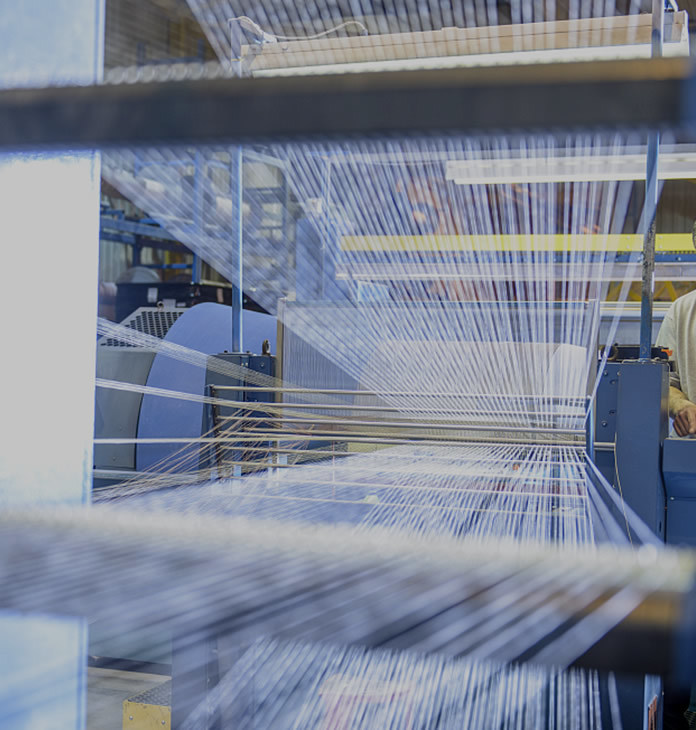
After finishing dyeing the yarn, it enters the weaving process. In the weaving process, the loom interweft the warp and weft according to a pre-designed organization. This interweaving is not random, but carefully choreographed to create a rich variety of patterns and color effects through the orderly combination of different colored yarns. Such as common plain weave, twill weave, satin weave and a variety of complex jacquard weave, etc., can be applied in the yarn-dyed process. Taking jacquard yarn-dyed fabric as an example, by cleverly controlling the float length and interweaving law of the warp, you can present beautiful flowers, geometric patterns and other complex patterns on the surface of the fabric, and these patterns have obvious layering and three-dimensional sense, because different colors of yarn at different levels interweave and superimpose each other, from the visual and tactile are unique feelings.
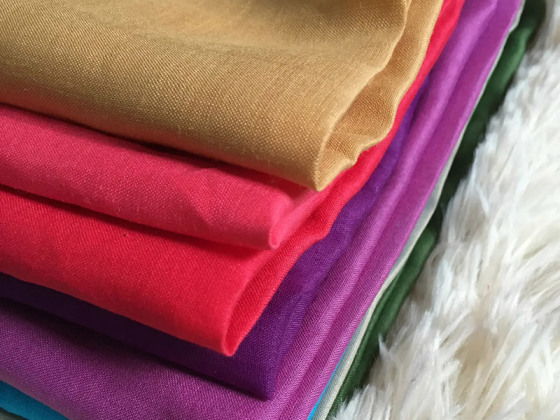
The advantages of yarn-dyed fabrics are obvious. Its color is rich and durable, because the dye has been deeply penetrated in the yarn stage, and the yarn is tightly wrapped after weaving, making the fabric color fastness is very high. Whether it is daily washing, friction, or long-term light, yarn-dyed fabrics can better maintain their bright colors, not easy to fade or change color. For example, high-quality yarn-dyed curtains can maintain their initial color effect even in direct sunlight for a long time, adding brilliant colors to the indoor environment for a long time. At the same time, yarn-dyed fabrics have a unique texture and texture. Due to the interweaving combination of different colors of yarn, a natural and delicate texture change is formed on the surface of the fabric. This texture is different from the flat effect of the printed fabric, but has a certain depth and three-dimensional sense, making the fabric more high-grade and delicate. In the field of clothing, clothes made of yarn-dyed fabrics are often more able to highlight the wearer's taste and personality, such as classic yarn-dyed plaid shirts, striped suits, etc., are enduring classic styles in the fashion industry.
However, yarn-dyed fabrics are not perfect. Its production process is more complex, involving multiple processes and the connection between each process requires accuracy, which leads to relatively high production costs. From yarn dyeing to weaving, every link requires professional equipment, technical personnel and strict quality control, which makes the price of yarn-dyed fabrics generally higher than some ordinary fabrics. In addition, the production efficiency of yarn-dyed fabrics is relatively low. Due to the need to frequently change different colors of yarn during the weaving process, and the slow weaving speed for complex patterns, it is difficult to significantly increase its yield in a short period of time. In the context of the prevalence of today's fast fashion consumption model, this disadvantage has limited the application scope of yarn-dyed fabrics in large-scale, rapid consumption markets to a certain extent.
To sum up, yarn-dyed fabric with its unique process, rich color performance, high color fastness and unique texture texture, in high-end clothing, home decoration, industrial textiles and many other fields have a wide range of application prospects. Despite the shortcomings of high production costs and low production efficiency, with the continuous progress and innovation of technology, its production process is expected to be further optimized and improved, so as to continue to bloom its unique charm in the future textile market.
Follow Us
Factory address1: HongAn Economic Industrial Zone, HuangGang City, HuBei Province, China
Factory address2: ShiGui lndustrial Zone, LongHu Town, JinJiang City, Fuan Province, China


Leave Message