

What is the shrinkage of fabric?
Time:
2023-08-09
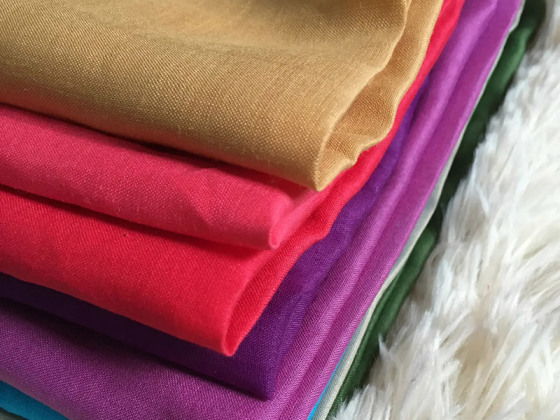
The shrinkage rate of a fabric is a key indicator to measure the dimensional stability of a fabric under specific conditions and is expressed as the percentage of the dimensional change before and after the treatment of the fabric. It plays a pivotal role in fabric production, clothing manufacturing and household and industrial textile applications in the textile industry.
The shrinkage rate of a fabric is a key indicator to measure the dimensional stability of a fabric under specific conditions and is expressed as the percentage of the dimensional change before and after the treatment of the fabric. It plays a pivotal role in fabric production, clothing manufacturing and household and industrial textile applications in the textile industry.
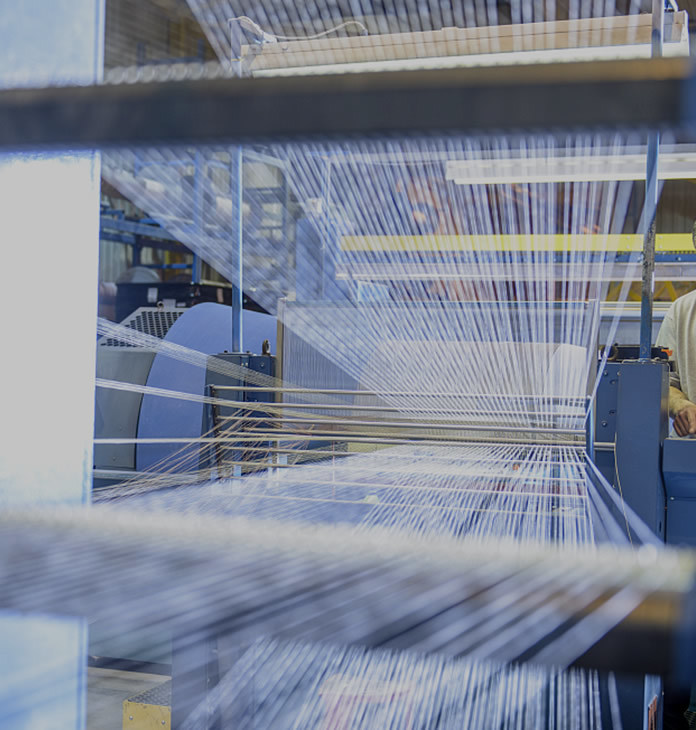
Fabric shrinkage is mainly due to the change of fiber internal structure during textile processing. In the process of yarn spinning, fabric weaving and subsequent finishing, the fibers are subjected to mechanical forces such as stretching, twisting, and extrusion, and the internal macromolecular chain segments are forced to align and are in a high energy unstable state. When the fabric is in a wet, hot environment or subjected to mechanical action (such as washing, ironing), the large molecular chain segments of the fiber tend to return to the natural, low energy stable conformation, which is manifested in the macro shrinkage of the fabric size.
The calculation follows a specific formula: shrinkage = (initial size - processed size) ÷ initial size ×100%. For example, a piece of fabric with an initial length of 1 meter and a length of 0.98 meters after some treatment, the length shrinkage rate is [(1-0.98)÷1]×100% = 2%.
Many factors have significant influence on the shrinkage of fabric. In terms of fiber types, natural fibers such as cotton, wool, hemp, etc., due to their strong hygroscopic properties, the fibers expand after encountering water, resulting in obvious fabric shrinkage. The wool fiber has a unique scale structure. Under the action of damp heat and mechanical force, the scales bite each other, which makes the wool fabric has a high shrinkage rate and is easy to felting. Chemical fibers such as polyester fiber, nylon, etc., its shrinkage rate is relatively low, but under high temperature conditions, some chemical fibers will also shrink due to molecular structure changes.
The fabric structure is also closely related to the shrinkage rate. The loose structure, the space between the fibers is large, when the external force or environmental impact, the fiber movement space is sufficient, the shrinkage rate is relatively high; The tight structure limits the movement of the fibers, and the shrinkage rate is low. Plain weave, for example, is more compact and usually has less shrinkage than twill and satin weave.
In addition, the process parameters in the textile processing process, such as the twist of spinning, the tension of weaving, the temperature and time of dyeing and finishing, will change the internal structure and stress state of the fiber to a certain extent, thus affecting the shrinkage rate of the fabric. The pre-shrinkage treatment in dyeing and finishing processing is to produce a certain shrinkage of the fabric in advance through a specific process to reduce the shrinkage and deformation in the subsequent use process.
In practical applications, whether it is the consideration of fabric pre-shrinking treatment by garment manufacturers before cutting and sewing, or the expectation of size change by consumers when purchasing and caring for textiles, it is inseparable from the in-depth understanding and accurate grasp of fabric shrinkage. It is not only an important parameter for the quality control of textile products, but also one of the key factors to promote the continuous optimization and innovation of textile technology.
Follow Us
Factory address1: HongAn Economic Industrial Zone, HuangGang City, HuBei Province, China
Factory address2: ShiGui lndustrial Zone, LongHu Town, JinJiang City, Fuan Province, China


Leave Message